Jul 1, 2026 · Behind the Scenes
A Morning in Pilanesberg
Sometimes the best photographs aren't planned—they're discovered by slowing down, observing and simply waiting.
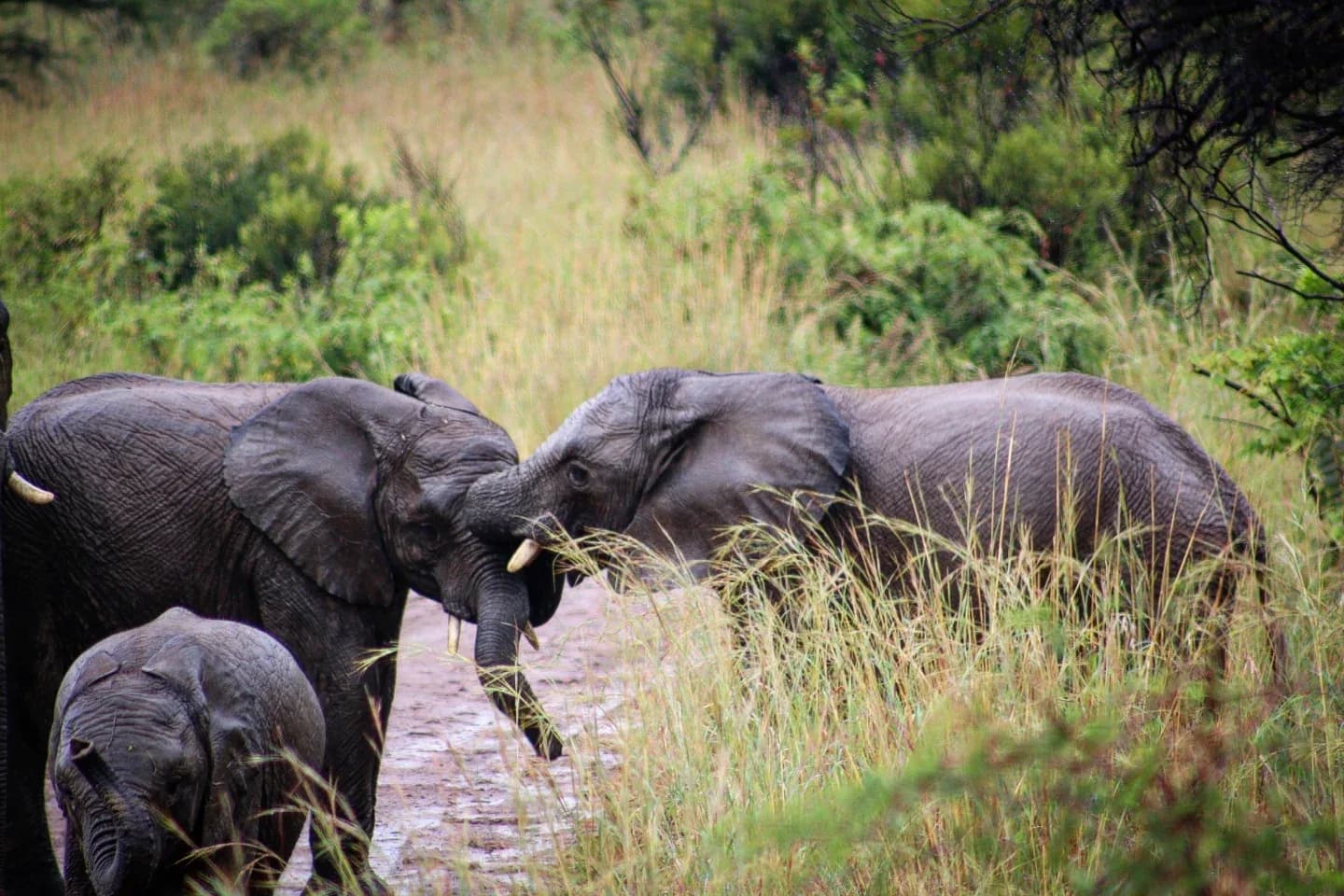
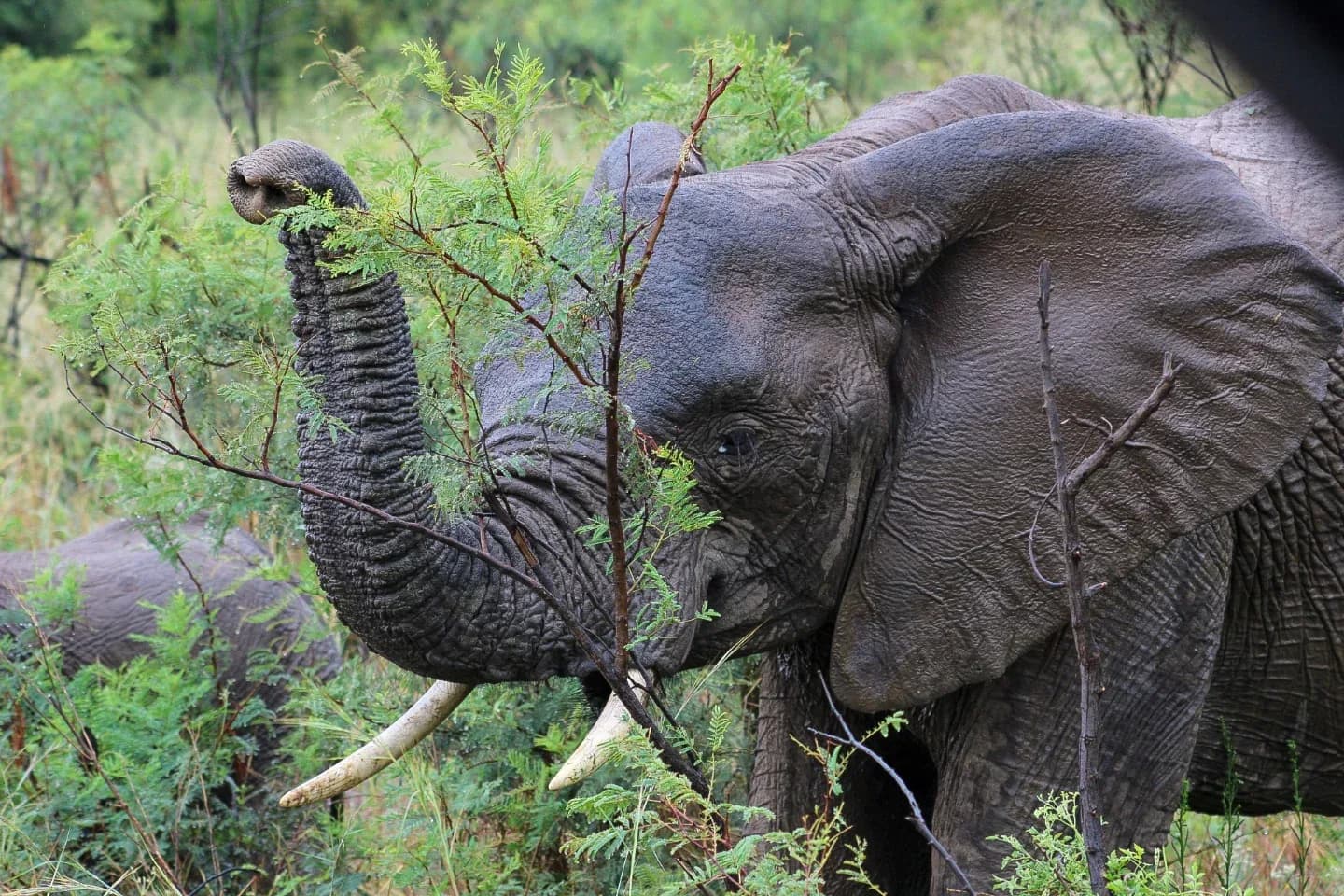
There are mornings when photography begins long before the camera is lifted. It begins in the quiet anticipation of the road, in the soft shift of light over the landscape, and in the feeling that the day may offer something unexpected if you are willing to move at its pace. Pilanesberg National Park was not meant to become a portfolio story. The visit began simply, as time in the bush often does, with no strict shot list and no pressure to return with a complete collection. I arrived with a camera, but also with the intention to look properly, to be present, and to let the landscape decide what it wanted to reveal. That is one of the things I love most about nature. It does not work to anyone else's schedule. The bush asks you to slow down. It asks you to notice the smaller movements between the obvious ones: the flick of an ear, the pause before an animal steps into the open, the way dust catches the morning light. Wildlife photography becomes less about searching aggressively and more about learning how to wait with attention. The elephants were among the first encounters that shaped the rhythm of the day. There is something deeply grounding about watching elephants move through the bush. Even when they are close, their presence feels calm and deliberate. They do not perform for the camera. They move as they need to move, following scent, shade, instinct and memory. Photographing them felt less like capturing a subject and more like witnessing a quiet passage through their own world. Further into the morning, the grasslands opened up and the impala began to appear between the vegetation. They carried a very different kind of energy. Where the elephants felt steady and assured, the impala were alert, delicate and constantly aware of everything around them. Their stillness was never completely still. Every pause held tension. Every glance seemed to measure the distance between safety and movement. Through the lens, those brief moments became studies in attention. The zebra offered another kind of beauty altogether. Seen among the tall vegetation, their patterns shifted in and out of the landscape, graphic and unmistakable, yet softened by the natural texture around them. They are often easy to recognise from a distance, but spending time watching them closely reminds you how much character exists in the ordinary rhythm of grazing, walking, stopping and looking up. The strongest frames were not dramatic. They were simple, balanced and honest. Then came the lion. There is always a particular kind of excitement when someone spots a lion in the bush, especially when it is almost perfectly hidden. At first, the landscape seemed to hold nothing unusual. Branches, grass, shadow, earth. Then slowly, the shape emerged. A line of the face. The suggestion of an eye. The quiet weight of an animal designed to disappear when it chooses to. It was a reminder that the bush is always fuller than it first appears, and that sometimes seeing clearly requires patience more than proximity. In moments like that, it can be tempting to want more: a clearer angle, stronger light, a dramatic movement. But wildlife does not owe the photographer anything. The responsibility is to respect the distance, the animal and the moment as it is. Some images are powerful because they are not forced. They hold the truth of what was actually seen. That became the thread of the morning. Not spectacle, but observation. Not chasing, but allowing. The photographs that stayed with me were the ones that came from waiting long enough for the scene to settle. A head turning slightly. A body moving through grass. An animal almost hidden, but not quite. These are the kinds of frames that carry the feeling of being there. Every visit to the bush tells a different story. Even the same road, taken on a different morning, can feel entirely new. Light changes. Animals move. Silence gathers in different places. You can return with a camera many times and never come back with the same collection twice. That unpredictability is part of the privilege. Pilanesberg reminded me that photography is often less about finding extraordinary moments and more about recognising them when they quietly appear.
“Some images are powerful because they are not forced. They hold the truth of what was actually seen.”